My job is not to make you write like me. It is to help you unlock your process so that you can write like the most authentic version of you. To do this, I give you craft and process advice gleaned from over 20 years as a writer.
My approach combines methods learned at The Writing Mentors intensive program, the Bennington Writing Seminars, the Gateless Academy, and my work as a professional editor. I use feedback methods that are backed by science and proven to work.
I know what it’s like to get a tear-down critique, and what it’s like to get feedback from a creative partner. I love being that partner for writers.

Coaching for Writers

Is coaching for you?
Writers at all different stages of their journey employ writing coaches. I have used one myself! Here are some reasons you might need a coach:
You want to deepen your practice or take your writing in a new direction.
You have work that is too new for a critique but you need feedback in order to move forward.
You have a project that you want to get to the next step with, whether that’s getting a first draft out, writing a revision, or preparing for publication.
You haven’t started writing yet, but have always wanted to.
You need instruction on research methods, writing process, or someone to bounce ideas off of.
Many of my clients are people who are venturing into new genres, trying writing for the first time, or need a coach to help maintain focus and accountability.

You can choose to work with me through video calls, in-person meetings if we live nearby, or written feedback. Here’s what a coaching package typically includes:
You send me work, which I review before our meeting.
I clarify your goals and intentions for the piece and tell you how I interpreted the work and what craft tools you are already using well.
I suggest ways to approach revision or generating future work based on your goals.
I suggest related readings (both writers whose work I think will resonate with you and readings on craft).
Sessions can also be used for: accountability, organizing writing projects, dealing with the inner critic, and meeting publishing goals.
I send a follow-up email a week after our session, reminding you of your writing goals.
You can ask follow-up questions over email.
If you choose to receive written feedback instead, the I’ll do the above in an email written in response to your work.
What’s included
-
Megan has been an incredible coach for my writing journey. She provides specific, actionable feedback, cautionary advice, and encouragement to keep going. Her coaching has not only improved my poetry and prose but also my writing process, which is HUGE! She is authentic, kind, and thoughtful. I highly recommend her coaching.
—Amruta B.
Why I don’t do tear-down critiques
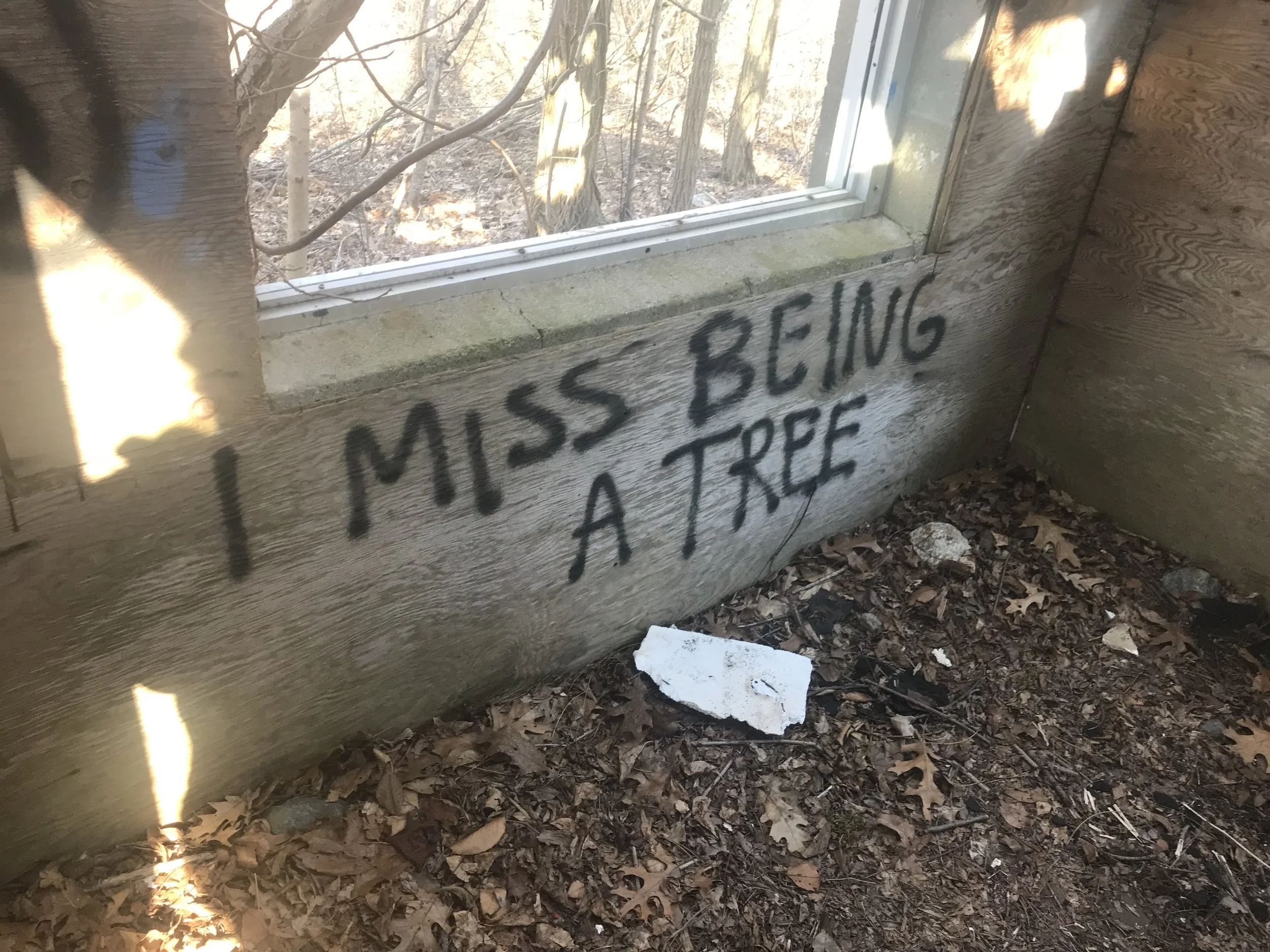
“Be brutally honest,“ people sometimes say when presenting their writing to others. But honesty does not have to be brutal if you’re looking for what’s right.
It’s a common myth that really harsh criticism helps you improve your writing. Studies have shown that this type of criticism actually throws your nervous system into fight or flight, a state in which you cannot learn. What a harsh critique generates instead is compliance as your brain seeks ways of staying safe.
As Marcus Buckingham and Ashley Goodall write in the Harvard Business Review: “Excellence seems to be inextricably and wonderfully intertwined with whoever demonstrates it. Each person’s version of it is uniquely shaped and is an expression of that person’s individuality.”
When you understand your own strengths and how to develop them, you get bolder and more creative. You create work that is not compliant, but surprising, the way that only your specific brain is capable of.